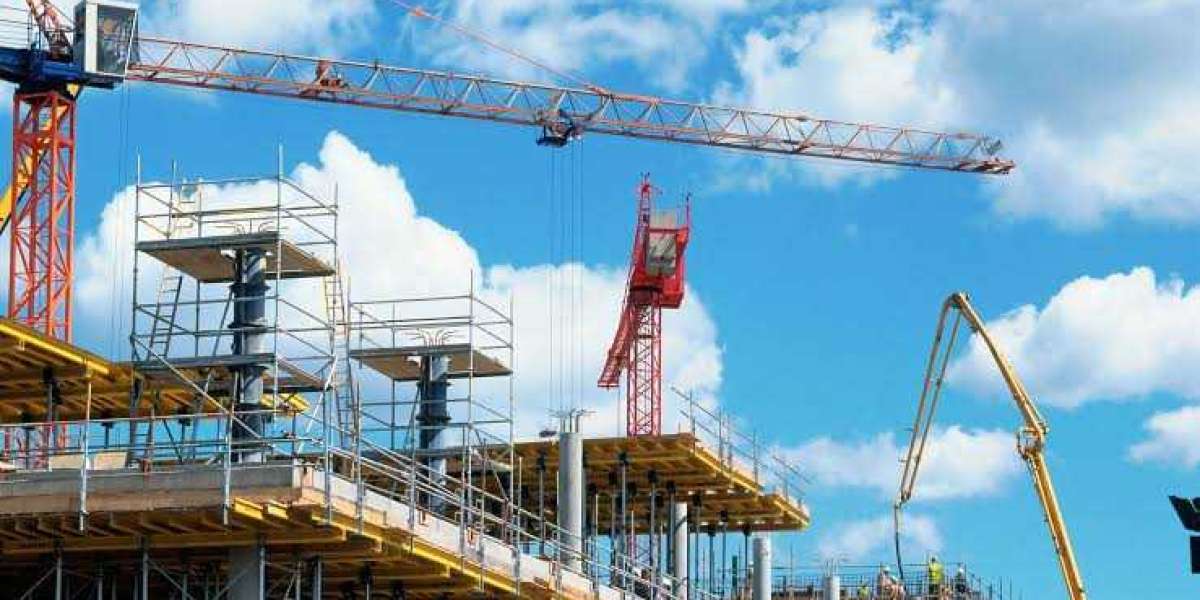

Constructing a home, commercial property, or investment project is a major decision that requires careful planning, realistic budgeting, and reliable workmanship. For property owners comparing options, Affordable Construction Services in Jhelum can be a useful reference when exploring how professional construction teams approach quality, cost management, and project execution. A well managed construction project is not simply about putting up walls and installing finishes. It involves coordinating architects, engineers, labor, materials, timelines, safety requirements, and numerous technical details from the initial concept to final completion.
Understanding Modern Construction Requirements
Construction standards have changed considerably as property owners have become more aware of energy efficiency, structural safety, design flexibility, and long term maintenance. Whether the project involves a residential house, office, retail space, or another type of building, every stage needs to work together.
The process generally begins with understanding the purpose of the property and establishing a practical budget. From there, planning can cover architectural drawings, structural requirements, material selection, labor arrangements, electrical work, plumbing, flooring, painting, and exterior development.
A professional approach helps prevent decisions from being made randomly during construction. When important choices are considered before work begins, owners can reduce unnecessary changes and maintain better control over both costs and schedules.
Why Careful Planning Matters
Good planning is one of the strongest foundations of a successful construction project. A detailed plan gives the owner and construction team a clear understanding of what needs to be completed, what materials are required, and how different activities will be coordinated.
Budget planning is particularly important. Construction expenses can vary according to the size of the building, design complexity, material quality, labor rates, site conditions, and finishing requirements. Instead of focusing only on the initial quotation, property owners should consider the complete project cost.
It is also useful to maintain a reasonable contingency amount for unexpected expenses. Changes in material prices, site conditions, additional structural requirements, or design modifications can affect the original estimate.
Choosing Materials for Long Term Value
Material selection has a direct effect on the durability and appearance of a building. Lower upfront costs do not always represent better value if materials require frequent repairs or replacement.
For structural components, quality cement, steel, concrete, blocks, and other essential materials should meet appropriate standards. The same principle applies to electrical wiring, plumbing fixtures, insulation, doors, windows, flooring, and finishing products.
Property owners should consider where premium materials genuinely add value and where practical alternatives can achieve similar results. This balanced approach can help control expenses without compromising important aspects of construction quality.
The Importance of Skilled Workmanship
Even excellent materials can produce disappointing results when installation and workmanship are poor. Skilled workers understand how to handle different construction tasks and can identify problems before they become expensive.
Masonry, concrete work, steel installation, electrical systems, plumbing, waterproofing, carpentry, tiling, and painting each require specific knowledge. Coordination between these trades is equally important because one poorly completed stage can affect subsequent work.
Experienced supervision can also help maintain consistency. Regular inspections allow issues to be identified while they are still relatively easy to correct.
Managing Construction Costs Effectively
Controlling construction expenses does not necessarily mean choosing the cheapest option at every stage. Instead, effective cost management involves making informed decisions.
A realistic estimate should separate major categories such as structural work, labor, materials, electrical and plumbing installations, finishing, external development, and professional services. Comparing quotations can be useful, but property owners should examine what each quotation actually includes.
An unusually low estimate may exclude certain services or rely on lower grade materials. A more detailed quotation can make it easier to understand where money is being spent and prevent misunderstandings later.
Maintaining Quality During Construction
Quality control should continue throughout the project rather than being treated as a final inspection. Important stages such as foundation work, reinforcement, concrete placement, waterproofing, electrical installation, and plumbing should receive appropriate attention before later work covers them.
Documentation can also help. Keeping records of drawings, specifications, material selections, invoices, and approved changes provides a useful reference throughout construction.
Property owners who cannot personally visit the site every day can benefit from regular progress updates. Clear communication between the owner and project team helps ensure that decisions are made promptly and that potential problems do not remain unresolved.
Creating Functional and Comfortable Spaces
Modern construction is increasingly focused on how people actually use a building. A visually attractive property may still be inconvenient if its layout does not suit everyday activities.
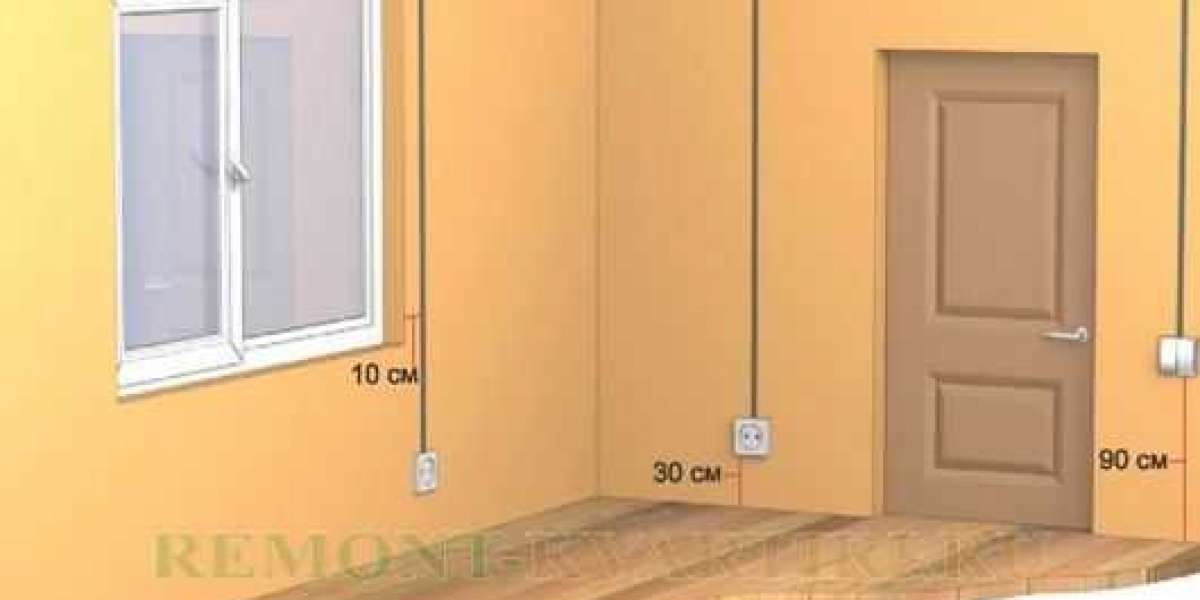
Room dimensions, natural lighting, ventilation, storage, circulation, privacy, electrical outlet placement, kitchen functionality, and bathroom positioning should all be considered during the design stage.
For commercial properties, factors such as customer movement, employee workflow, accessibility, visibility, and future expansion can also influence the design. Thoughtful planning creates spaces that remain useful long after construction has finished.
Sustainability and Energy Efficiency
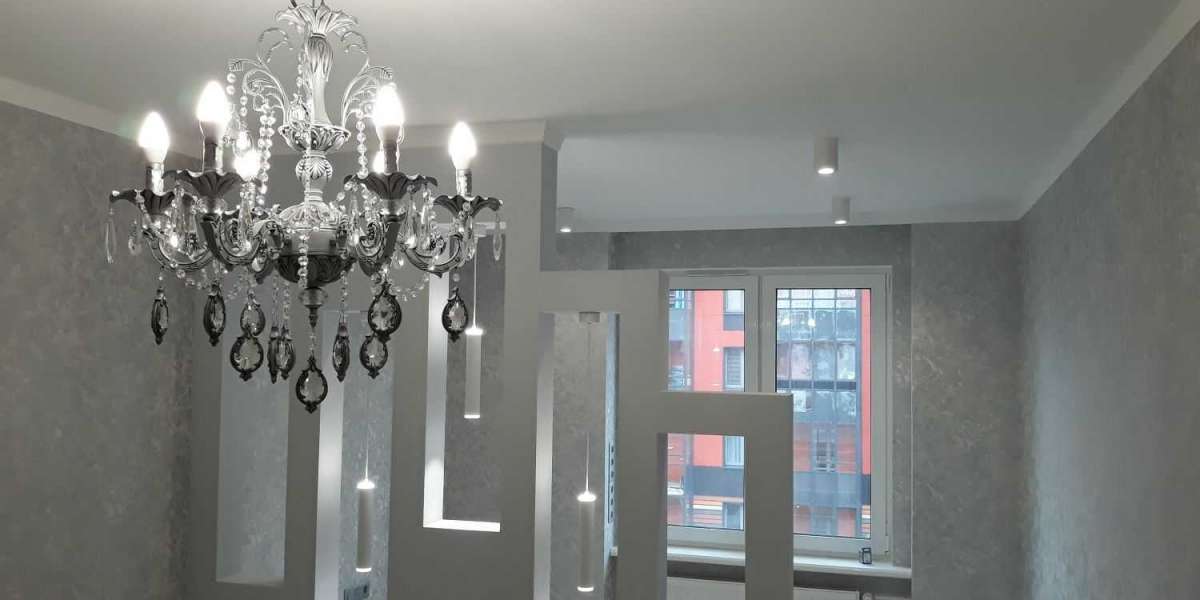
Energy efficient construction can reduce long term operating costs while improving indoor comfort. Depending on the project, useful measures may include efficient windows, appropriate insulation, natural ventilation, LED lighting, water saving fixtures, and efficient electrical equipment.
The orientation of a building can also influence daylight and indoor temperature. In suitable circumstances, incorporating renewable energy solutions such as solar power may further reduce dependence on conventional electricity.
Sustainable construction does not necessarily require expensive technology. Sometimes simple design choices and good material selection can produce meaningful improvements in efficiency.
What Property Owners Should Expect From a Construction Team
A dependable construction team should provide more than physical labor. Professional communication, realistic scheduling, transparent costing, technical understanding, and attention to quality are all important.
Before hiring a contractor, property owners should discuss the project scope in detail. Questions about timelines, payment stages, materials, supervision, design changes, warranties, and responsibilities should be clarified before work begins.
It is also sensible to review previous projects and assess whether the contractor has experience with a similar type of property. Clear agreements can reduce confusion and establish expectations for everyone involved.
Frequently Asked Questions
How can construction costs be controlled?
Costs can be managed through detailed planning, accurate estimates, appropriate material selection, proper scheduling, and minimizing unnecessary design changes during construction.
What should be checked before hiring a contractor?
Property owners should consider experience, previous work, project scope, estimated timeline, material specifications, communication practices, and the terms of the agreement.
Why is supervision important during construction?
Supervision helps ensure that work follows approved plans and specifications. It can also identify workmanship issues or construction errors before they become more difficult and expensive to fix.
How long does a construction project take?
The duration depends on factors such as building size, design complexity, site conditions, approvals, material availability, weather, labor, and the scope of finishing work.
Final Thoughts
A successful construction project depends on hundreds of individual decisions, but the strongest results usually come from the same fundamentals: careful planning, sensible budgeting, suitable materials, skilled workmanship, effective supervision, and consistent communication. Property owners who approach construction with these principles can make better decisions and create buildings that offer lasting functionality, safety, and value.