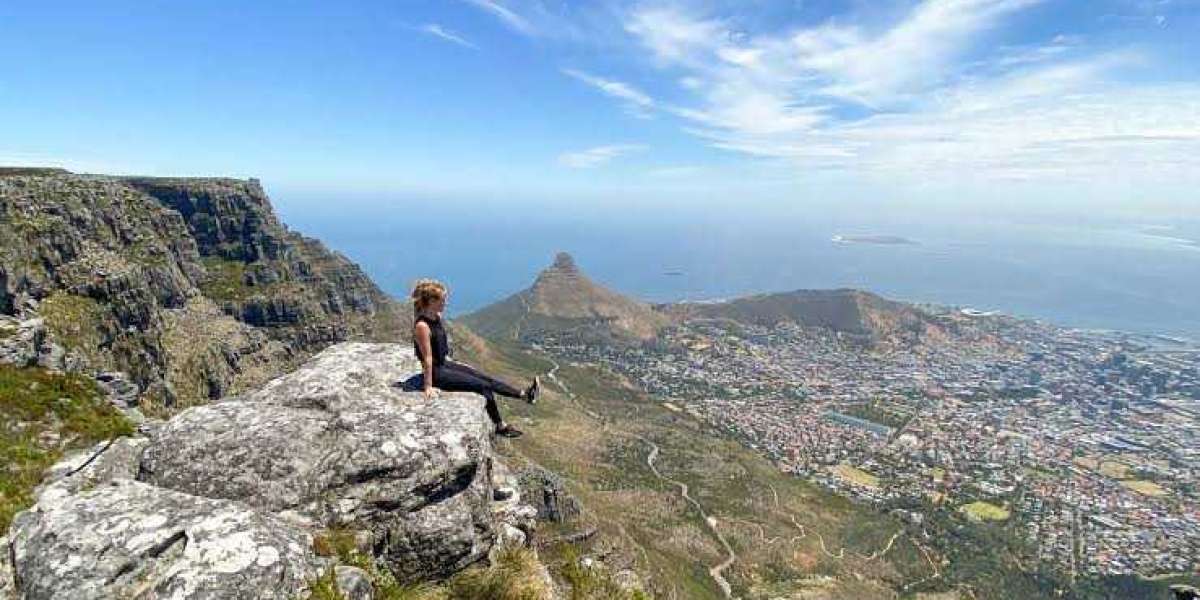

Pakistan is a country where dramatic landscapes, centuries old traditions, and remarkable hospitality come together in ways that can surprise even experienced travelers. From snow covered mountain valleys and peaceful lakes to historic cities and vibrant cultural centers, the country offers an impressive range of experiences. Travelers researching Pakistan travel destinations can find countless opportunities to explore beyond the most familiar tourist routes and discover places that reveal the country's natural and cultural character.
Why Pakistan Is Worth Exploring
Pakistan has an extraordinary geographical variety within its borders. The northern regions are known for towering peaks, alpine lakes, green valleys, and scenic mountain roads, while the southern parts offer deserts, coastal landscapes, ancient settlements, and distinctive cultural traditions.
One of the country's greatest strengths is that different regions provide completely different travel experiences. A visitor can enjoy a peaceful morning surrounded by mountains and later experience the lively atmosphere of a historic market or traditional neighborhood. This diversity makes Pakistan particularly appealing to travelers who prefer experiences rather than simply checking famous landmarks off a list.
The country's cultural heritage adds another important dimension. Centuries of interaction between different civilizations have influenced architecture, languages, cuisine, crafts, music, and local customs. Exploring these elements can turn an ordinary trip into a much more meaningful journey.
The Spectacular Landscapes of Northern Pakistan
Northern Pakistan is often associated with some of the country's most breathtaking scenery. Regions such as Gilgit Baltistan, Khyber Pakhtunkhwa, and parts of Azad Kashmir attract travelers looking for mountains, valleys, rivers, and remote communities.
Hunza Valley is particularly popular for its dramatic surroundings and welcoming villages. The area provides opportunities to enjoy mountain views, visit historic forts, walk through local settlements, and experience regional food. Nearby locations such as Passu and Gulmit offer equally impressive scenery, with rugged peaks and traditional communities adding character to the journey.
Skardu provides a different atmosphere, combining high altitude landscapes with lakes, deserts, valleys, and striking rock formations. Places such as Shangrila, Upper Kachura Lake, and the Deosai Plateau can be incorporated into longer northern itineraries depending on the season and road conditions.
For travelers who enjoy trekking, the northern mountains provide numerous routes ranging from relatively accessible walks to demanding multi day expeditions. Proper preparation is essential because weather, altitude, transportation, and trail conditions can change quickly.
Historic Cities and Cultural Experiences
Pakistan's appeal extends far beyond its mountains. Several cities provide an opportunity to understand the country's history through architecture, museums, bazaars, religious landmarks, and traditional neighborhoods.
Lahore is an excellent example. The city is closely associated with Mughal architecture and Punjabi culture. Visitors can explore the Lahore Fort, Badshahi Mosque, Wazir Khan Mosque, and the historic streets surrounding the old city. Food is another major part of the experience, with traditional dishes and busy food streets offering an authentic taste of local life.
Islamabad presents a contrasting environment. The capital is known for its organized layout, green spaces, and proximity to the Margalla Hills. Travelers can combine sightseeing around the city with hiking and scenic viewpoints, making it a convenient destination for visitors who want both urban attractions and access to nature.
Multan, Peshawar, and Thatta also provide valuable cultural experiences. Their historic buildings, markets, handicrafts, and culinary traditions highlight the depth of Pakistan's regional diversity.
Coastal Beauty and Lesser Explored Regions
The country's coastline is another aspect that deserves attention. Balochistan offers dramatic coastal scenery, rugged cliffs, secluded beaches, and striking geological formations. The Makran Coastal Highway provides access to several remarkable landscapes and is especially attractive to travelers interested in road trips and photography.
Sindh also offers fascinating historical attractions. The archaeological site of Mohenjo Daro provides insight into one of the world's earliest urban civilizations, while nearby towns and traditional communities showcase the region's distinctive crafts and cultural identity.
Exploring less visited areas can be rewarding, but travelers should plan carefully. Transportation options may be limited, mobile connectivity can vary, and some areas require additional permissions or local guidance.
Planning a Comfortable Journey
Good preparation can make a significant difference when traveling across Pakistan. The best season depends heavily on the destination. Northern mountain areas are generally most accessible during warmer months, while many southern and central locations can be more comfortable during cooler periods.
Transportation should also be considered before finalizing an itinerary. Distances between destinations can be greater than they appear on a map, particularly in mountainous regions. Road journeys may take longer because of winding routes, weather conditions, or temporary closures.
Respect for local customs is equally important. Modest clothing is generally appropriate, especially when visiting religious or traditional communities. Asking permission before photographing people and showing sensitivity toward local traditions can help create positive interactions.
Travelers should also keep flexible schedules. Mountain weather can change rapidly, and unexpected road conditions may affect plans. Allowing extra time between destinations can reduce stress and leave room for spontaneous discoveries.
Making the Most of the Experience
The most memorable journeys often come from combining famous attractions with authentic local experiences. Instead of focusing exclusively on major landmarks, travelers can spend time walking through local markets, trying regional cuisine, speaking with residents, visiting small villages, and learning about traditional crafts.
Food deserves special attention. Pakistani cuisine varies significantly from region to region. Punjab is known for hearty dishes and rich flavors, Sindh has its own distinctive culinary traditions, while northern areas offer foods influenced by mountain communities and neighboring cultures.
Photography enthusiasts will also find enormous variety, from dramatic Himalayan landscapes to colorful bazaars and historic architecture. However, responsible photography means respecting privacy and local expectations.
Ultimately, traveling through Pakistan is less about visiting a fixed list of attractions and more about experiencing the contrast between landscapes, communities, histories, and traditions.
Frequently Asked Questions
What is the best time to visit Pakistan
The ideal period depends on the region. Northern destinations are generally easier to explore during spring, summer, and early autumn, while many southern and central areas are more comfortable during the cooler months.
Is Pakistan suitable for adventure travelers
Yes. The country offers trekking, hiking, camping, mountaineering, road trips, and other outdoor experiences. Travelers should choose activities according to their experience level and prepare carefully for remote environments.
How long should a trip to Pakistan be
A trip of one to two weeks can cover selected highlights, while longer journeys allow travelers to explore several regions without rushing. Mountain destinations often require additional travel time because of road conditions.
What should travelers consider before visiting remote areas
Travelers should research transportation, weather, accommodation, connectivity, local regulations, and seasonal accessibility. In remote mountain regions, flexibility is particularly important.
Final Thoughts
Pakistan offers an exceptional combination of natural beauty, cultural heritage, history, cuisine, and adventure. Its landscapes range from towering mountain peaks to coastal roads, while its cities preserve centuries of architectural and cultural history. With thoughtful planning and respect for local communities, travelers can experience a side of the country that is both deeply authentic and remarkably diverse. The greatest reward is often discovering that the most memorable moments happen between the major attractions, through conversations, local meals, scenic journeys, and unexpected encounters along the way.