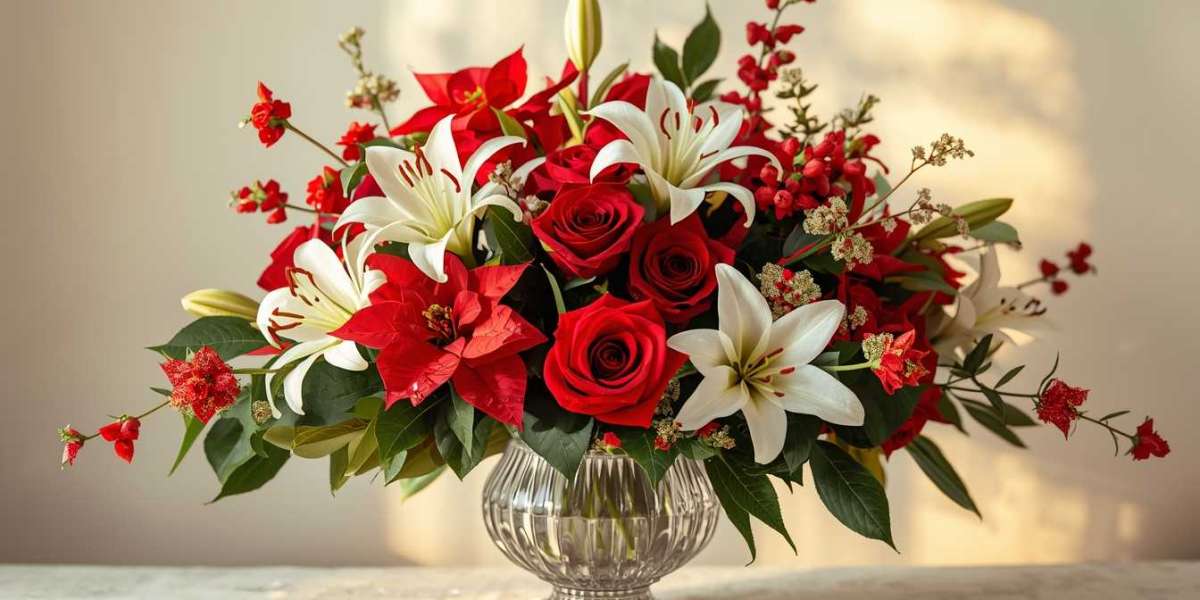

Loss is one of the most profound human experiences. When someone we care about is grieving, it often feels difficult to find the right words. In moments like these, gestures of compassion carry deep meaning. One of the most enduring ways people express empathy is through flowers. Their gentle beauty communicates support, remembrance, and understanding without the need for elaborate explanations.
In a city as vibrant and diverse as New York, traditions of remembrance and condolence vary widely, yet one custom remains universally appreciated. The act of sending flowers during times of mourning continues to serve as a thoughtful expression of solidarity. Many families and friends choose arrangements such as sympathy flowers in new york as a meaningful way to show care, offering a quiet message that someone is not alone during their time of grief.
Flowers have long been associated with emotional expression. Their colors, fragrances, and delicate forms create a peaceful atmosphere that can provide comfort during difficult moments. In this article, we explore the tradition of condolence flowers, their symbolism, cultural significance, and how thoughtful floral arrangements can bring gentle support to grieving families.
The Meaning Behind Sympathy Flowers
Flowers have served as symbols of remembrance for centuries. Across many cultures, they represent the cycle of life, renewal, and the enduring connection between people. When given in times of loss, flowers communicate empathy and respect in a deeply personal way.
Unlike spoken condolences, flowers remain present long after a visit or message has ended. Their presence in a home or memorial setting can create a calm environment where loved ones gather to reflect and remember.
Beyond their visual beauty, flowers hold symbolic meanings that can reflect heartfelt emotions. Certain blooms are traditionally associated with remembrance, peace, and spiritual reflection.
For many people, choosing flowers for a grieving friend or family member becomes a thoughtful process. The arrangement becomes a representation of care, remembrance, and emotional support.
Why Flowers Continue to Comfort the Grieving
The presence of flowers during mourning is not simply a tradition. Psychological studies suggest that natural elements can help reduce stress and promote feelings of calmness. Flowers create a gentle environment that allows individuals to process emotions and reflect on cherished memories.
When placed in homes, memorial services, or places of worship, floral arrangements offer a visual expression of compassion from friends, colleagues, and community members.
Several factors explain why flowers remain such a powerful gesture.
A universal symbol of empathy
Flowers transcend language barriers. Their meaning is widely understood regardless of cultural background or personal beliefs.
A reminder of support
Receiving flowers reassures grieving individuals that they are surrounded by people who care about them.
A peaceful presence
Soft colors, natural textures, and subtle fragrances create an atmosphere that encourages quiet reflection and emotional healing.
The Cultural Significance of Memorial Flowers in New York
New York is home to a remarkable diversity of cultures and traditions. This diversity influences how communities express condolences and honor those who have passed away.
In many Western traditions, white flowers symbolize purity and remembrance. Lilies, roses, and chrysanthemums often appear in memorial arrangements.
In some Asian cultures, white and yellow flowers are commonly used in mourning ceremonies as symbols of respect and remembrance.
Jewish traditions may include sending arrangements to the family home rather than to a funeral service. The gesture serves as a sign of ongoing support during the period of mourning.
In Catholic and Christian traditions, flowers frequently appear in church services as part of memorial displays that celebrate life and faith.
Because New York brings together people from many cultural backgrounds, floral tributes often reflect a blend of symbolic meanings and personal preferences.
Choosing Flowers That Convey the Right Emotion
When selecting flowers for a condolence arrangement, many people consider the symbolism associated with specific blooms. Each flower carries a subtle message that can reflect compassion, remembrance, or spiritual peace.
Lilies and their gentle symbolism
Lilies are among the most commonly used flowers in memorial arrangements. They represent the restored innocence of the soul and convey serenity and grace.
Their elegant petals and soft fragrance create a calming atmosphere that many families find comforting.
Roses as a symbol of love and remembrance
Roses hold a timeless place in expressions of emotion. White roses symbolize reverence and humility, while soft pink roses convey admiration and gratitude.
These flowers often appear in arrangements that celebrate a life filled with love and meaningful relationships.
Chrysanthemums and remembrance
Chrysanthemums are widely associated with mourning traditions in many cultures. In Europe and parts of Asia, they symbolize remembrance and honor for those who have passed away.
Their full, rounded blooms create arrangements that feel both dignified and comforting.
Orchids and enduring love
Orchids represent eternal love and strength. Their graceful appearance makes them a meaningful choice for honoring someone whose memory continues to inspire those who knew them.
The Thoughtful Process of Sending Condolence Flowers
Sending flowers during a time of grief involves more than selecting an arrangement. The gesture itself reflects empathy and awareness of the family's emotional needs.
Many people consider a few important aspects before sending flowers.
Timing
Flowers are often sent to funeral services, memorial gatherings, or directly to the family’s home. Each option offers a different form of support.
Arrangements delivered to a service contribute to the shared tribute that honors the person’s life. Flowers sent to the home provide ongoing comfort in the days that follow.
Personal messages
A short message accompanying the flowers allows the sender to share a brief expression of sympathy. Even a few sincere words can provide reassurance and warmth.
Respecting traditions
Because mourning customs vary across cultures and religions, it is thoughtful to consider the family’s traditions when selecting flowers.
Some families may prefer simple arrangements, while others welcome elaborate displays that celebrate the life of the loved one.
How Floral Arrangements Support Emotional Healing
Grief is a complex emotional journey that unfolds differently for every individual. While flowers cannot remove the pain of loss, they can contribute to a supportive environment where healing becomes possible.
The presence of flowers can evoke memories and create a space for reflection. Their natural beauty often encourages people to pause, breathe, and remember moments shared with the person who has passed away.
Many families also keep certain flowers or photographs from memorial arrangements as lasting reminders of the support they received from friends and loved ones.
Over time, these gestures become part of the healing process. They remind grieving individuals that compassion and connection continue even during the most difficult moments.
The Role of Florists in Meaningful Tributes
Florists play an important role in helping people express sympathy in thoughtful ways. Experienced florists understand the emotional significance behind memorial arrangements and approach each order with care and sensitivity.
They often guide customers in selecting flowers that match the tone and symbolism appropriate for the occasion. This expertise helps ensure that the arrangement reflects the sender’s sincere intentions.
In a city like New York, where cultures and traditions intersect, florists frequently create customized arrangements that respect different mourning customs while maintaining a sense of elegance and dignity.
Their work transforms flowers into meaningful tributes that honor the life and memory of someone who was deeply loved.
Creating a Personal Touch in Sympathy Arrangements
While traditional flowers remain popular for condolence gestures, many people choose to add personal elements that reflect the life and personality of the person being remembered.
These touches may include:
Handwritten messages sharing memories or words of encouragement
Flowers that held special meaning for the individual
Color palettes that reflect the person’s favorite colors
Simple arrangements designed to feel calm and comforting
Personalization allows floral tributes to become more than decorative displays. They become symbols of shared memories and lasting connections.
A Timeless Gesture of Compassion
Throughout history, flowers have helped people express emotions that words cannot fully capture. Their beauty, symbolism, and presence create a quiet language of care that resonates deeply during moments of grief.
In a fast paced city like New York, where life moves quickly and people often feel pressed for time, gestures of kindness can carry even greater significance. Taking the time to send flowers reminds someone that compassion and empathy remain powerful forces in human relationships.
Even a simple arrangement can offer comfort during a difficult day. It becomes a small but meaningful reminder that the person grieving is surrounded by people who care.
The Lasting Impact of Small Acts of Kindness
Acts of kindness often leave lasting impressions. For someone experiencing loss, the knowledge that friends, family members, or colleagues are thinking of them can provide strength during an emotionally overwhelming time.
Flowers symbolize this support in a gentle yet powerful way. They represent presence, compassion, and the understanding that grief is easier to bear when shared with others.
While the flowers themselves may fade with time, the message behind them endures. It becomes part of the memory of how people came together to offer comfort and support.
In this way, floral tributes continue to play an important role in honoring lives and strengthening connections between people.
Frequently Asked Questions
Why do people send flowers when someone passes away
Flowers symbolize remembrance, love, and support. They offer a visual expression of sympathy and create a peaceful environment for reflection and mourning.
What types of flowers are commonly used in condolence arrangements
Lilies, roses, chrysanthemums, carnations, and orchids are among the most commonly chosen flowers because of their symbolic meanings associated with remembrance and compassion.
When should flowers be sent after a loss
Flowers may be sent before a funeral service, to the memorial ceremony, or directly to the family’s home in the days following the loss. Each option offers comfort in a different way.
Are condolence flowers appropriate for every culture
While flowers are widely accepted as expressions of sympathy, customs can vary across cultures and religions. It is thoughtful to consider the family’s traditions when sending flowers.
What message should accompany condolence flowers
A short message expressing sympathy and support is usually appropriate. Simple words such as sharing condolences, remembering the loved one, or offering comfort to the family can be meaningful.